history of the
birth control pill
by Josh Ito & Julia Whiteman
history
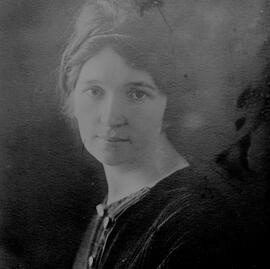
In 1916, a nurse named Margaret Sanger, after years of witnessing untimely deaths due to complications in pregnancy and failed abortions, founded the Brownsville Clinic in Brooklyn, New York. It was the first birth control clinic in the U.S., but was shut down by police less than two weeks after its initial opening. Three women were arrested, including Sanger and her sister, the latter of whom participated in a hunger strike that gained dramatic interest from the public.
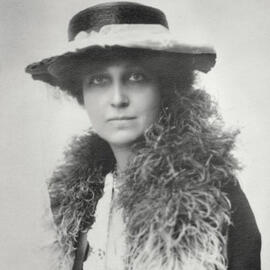
One of these inquirers was a wealthy suffragist and philanthropist, Katharine McCormick. Through the 1920s, McCormick smuggled over 1,000 diaphragms, an older method of birth control, to Sanger's Research Bureau from Europe, having sewn them into the linings of fashionable clothes.
The birth control clinic was reopened in 1921, then called the American Birth Control League. In 1942, it would become known as Planned Parenthood.
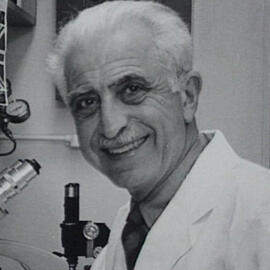
Come the 1950s, Sanger met biologist Gregory Pincus. Pincus had gained a repuataion for his studies in hormonal biology, and specifically the effects of certain hormones on animals' reproductive systems. Sanger and McCormick collaborated with Pincus and Dr. John Rock, using progesterone, a hormone that shuts down ovulation. Human trials were conducted in Massachusetts and Puerto Rico, but the pill still caused many side effects. Trials continued, as did attempts to make this method of conception safer, and the birth control pill was finally approved in May of 1960.
the science
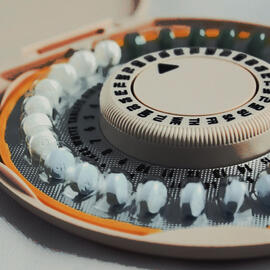
Oral contraception, known colloquially as "the pill", contains man-made forms of two hormones found naturally in ovaries: estrogen and progestin. Both prevent the uterus from releasing an egg during ovulation.
"Progestins also make the mucus around a woman's cervis thick and sticky. This helps prevent sperm from entering the uterus."
However, this scientific advancement was not without its controversies. Like many scenarios of its time, minority people often fell victim to a lack of concern for their safety and wellbeing. While human trials for Planned Parenthood went on in Puerto Rico, many women were sterilized without their knowledge or consent. Margaret Sanger herself made statements with clear prejudice in spite of her seemingly good intentions for the big picture.
Despite there being some major ethical shortcomings, what Sanger started in 1916 marked the beginning of a leap forward in women's liberation and progression for decades to come.
Text
https://www.britannica.com/biography/Margaret-Sanger
https://medlineplus.gov/ency/article/007460.htm
https://www.plannedparenthood.org/about-us/who-we-are/our-history
https://sangerpapers.wordpress.com/tag/brownsville-clinic/